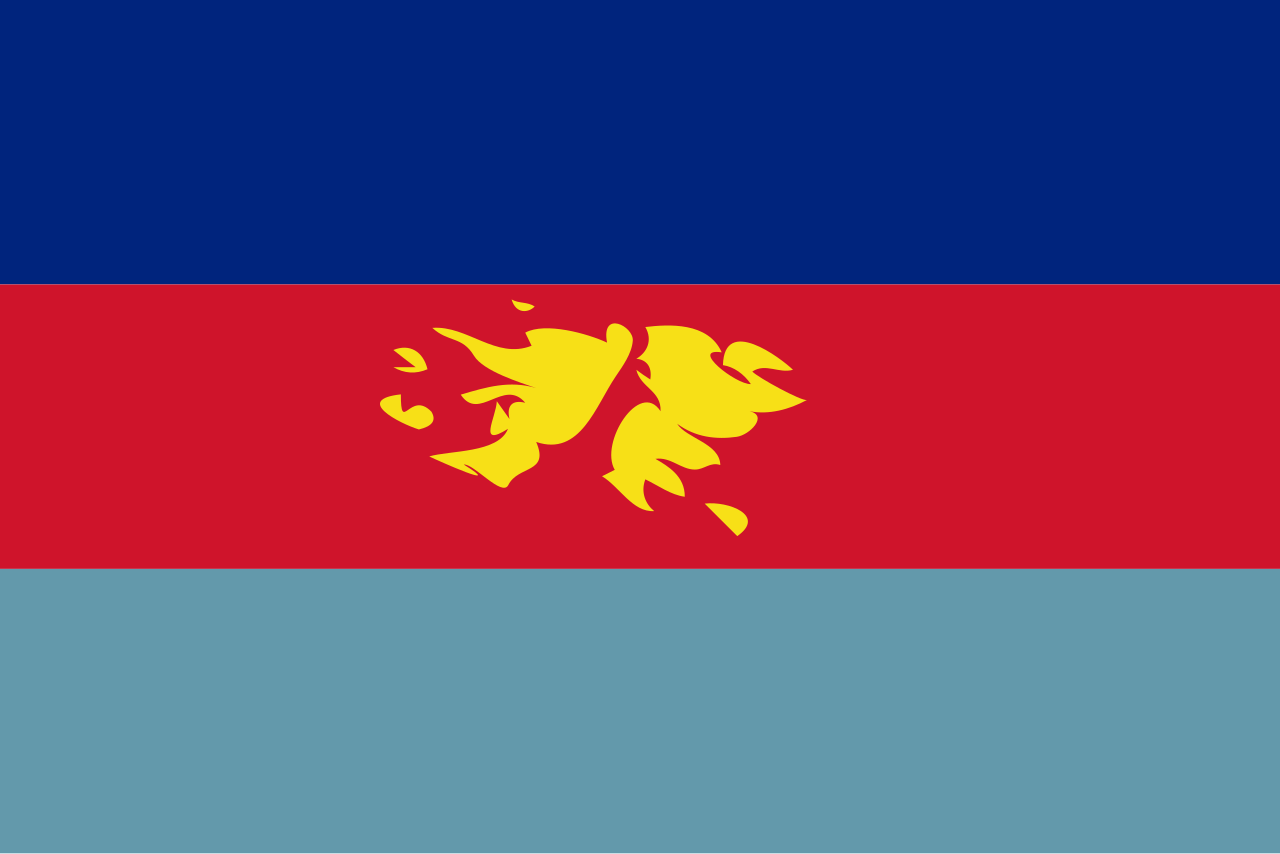
Falkland Islands: South Atlantic Ocean Location Guide
Nestled in the vast expanse of the South Atlantic Ocean, the Falkland Islands represent a unique blend of remote beauty, rich history, and strategic importance. Officially a self-governing British Overseas Territory, these islands offer a captivating destination for those intrigued by their distinct geography and vibrant wildlife. Understanding the precise location of the Falkland Islands is crucial to appreciating their unique character, challenges, and appeal.
Far from any major landmass, the archipelago comprises two main islands, East Falkland and West Falkland, along with over 700 smaller islets. This guide delves into the specifics of their geographical placement, exploring how their isolated position has shaped their culture, economy, and geopolitical significance. Prepare to embark on a virtual journey to a place where untamed nature meets a resilient community, all set against the dramatic backdrop of the southern seas.
Navigating the South Atlantic: The Falklands' Strategic Position
The Falkland Islands are not merely an dots on a map; their position in the South Atlantic Ocean carries considerable weight. Located approximately 300 miles (480 km) northeast of the southern tip of South America, and a similar distance east of the historic Strait of Magellan, they occupy a crucial maritime crossroad. This proximity to the Antarctic continent also places them in a unique climatic zone, characterized by strong winds, cool temperatures, and abundant marine life.
Geographical Coordinates and Maritime Importance
Situated roughly between latitudes 51° and 52° South and longitudes 57° and 62° West, the Falklands lie squarely in a subpolar oceanic climate zone. This geographical positioning means they are often the first or last stop for vessels traversing the Drake Passage or rounding Cape Horn, historically one of the most perilous sea routes in the world. For centuries, this made the islands a vital strategic outpost, offering shelter and supplies to whalers, explorers, and naval fleets. Today, while shipping routes have evolved, the islands maintain their significance as a hub for scientific research, particularly related to Antarctic studies, and as a base for fisheries patrols safeguarding the rich marine ecosystems of the South Atlantic.
The surrounding waters are a cold-water haven, supporting a biodiverse marine environment that includes krill, various fish species, and thus, a wealth of seabirds and marine mammals. This rich ecosystem is a direct consequence of the South Atlantic's currents and nutrient upwellings, making the Falklands a globally important site for conservation and ecological study. Their isolation, paradoxically, has helped preserve much of this natural heritage, attracting eco-tourists and researchers alike.
Stanley and Beyond: Key Settlements and Infrastructure
While the Falkland Islands might appear remote, they boast a well-organized infrastructure centered around their capital, Stanley. This bustling small town on East Falkland is the heart of island life, contrasting with the quieter, scattered settlements found across the archipelago.
Stanley: The Capital's Charm and Utility
Stanley serves as the administrative, commercial, and cultural hub of the Falklands. It is home to the majority of the islands' population and offers a surprising array of amenities, including shops, restaurants, guesthouses, and a museum. Its colorful houses, historic churches, and sheltered harbor make it a picturesque stop for cruise ships and an essential base for visitors exploring the islands.
The town's importance extends beyond its quaint charm. As the primary port, Stanley facilitates imports and exports, including wool and fish, which are the mainstays of the island economy. It also serves as the gateway for air travel to and from the islands, though the main international airport is located elsewhere.
Mount Pleasant: A Strategic Outpost
Approximately 35 miles (56 km) southwest of Stanley lies Mount Pleasant Complex (MPC), a significant Royal Air Force (RAF) base. This military facility is a crucial element of the United Kingdom's commitment to the Falkland Islands' defense and security. Established after the 1982 conflict, MPC features a substantial runway capable of handling large aircraft, making it the primary international airport for civilian flights as well.
The presence of RAF Mount Pleasant underscores the strategic importance of the Falklands within the broader South Atlantic region. It provides logistical support, air defense capabilities, and a rapid deployment platform, ensuring the continued sovereignty and stability of the territory. The base operates almost like a small town itself, with housing, recreation facilities, and services for the military personnel stationed there.
Beyond Stanley and Mount Pleasant, smaller settlements, often associated with sheep farms, dot the landscape. These "Camp" areas (as anything outside Stanley is known) offer a glimpse into the traditional way of life, characterized by vast open spaces and a strong sense of community. Each settlement, no matter how small, contributes to the unique fabric of the Falkland Islands, proving that even in remote locations, vibrant communities thrive. For more detailed insights into these key areas, consider reading our article on Key Facts: Stanley, RAF Base, and Malvinas of the Falklands.
The Naming Debate: Malvinas vs. Falklands
A significant aspect of the Falkland Islands' identity is the ongoing debate surrounding their name. While internationally recognized as the Falkland Islands, particularly by the United Kingdom and its allies, they are almost universally known as Islas Malvinas in South America.
Historical Roots of the Names
The name "Falkland" originates from the Strait of Falkland, a channel separating the two main islands, which was named by English explorer John Strong in 1690 after Anthony Cary, 5th Viscount Falkland, who was then treasurer of the Royal Navy. This name eventually extended to the entire archipelago.
The name Malvinas, however, has an older and equally significant lineage. Early French settlers from Saint-Malo, a port city in Brittany, established a settlement on the islands in the mid-18th century. They named the islands Îles Malouines, in honor of their hometown. This French name was subsequently Hispanicized to Islas Malvinas, and it is under this name that Argentina continues to claim sovereignty over the islands.
Geopolitical Implications
This dual naming reflects a deeply rooted geopolitical dispute, primarily between Argentina and the United Kingdom, over the sovereignty of the islands. While the UK bases its claim on continuous administration since 1833 and the right to self-determination of the islanders, Argentina maintains its historical claim based on succession from Spain and geographical proximity. The 1982 Falklands War brought this dispute to the forefront of international attention, and while the conflict ended with a decisive British victory, the political claim by Argentina remains a sensitive issue.
For visitors and those interested in the region, understanding both names and their historical contexts is essential for comprehending the complex narratives surrounding these remote islands. It's a reminder that even geographical labels can carry profound political and emotional weight, shaping perceptions and international relations in the South Atlantic.
Beyond the Map: Why the Falklands Matter
The Falkland Islands, despite their small size and remote location, hold significant importance that extends far beyond their immediate geography. Their strategic positioning, economic potential, and unique ecological value contribute to their global relevance.
- Biodiversity Hotspot: The islands are a haven for wildlife, boasting significant populations of various penguin species (King, Gentoo, Magellanic, Rockhopper), albatrosses, seals, and dolphins. This makes them a critical site for ornithologists, marine biologists, and eco-tourism, drawing visitors eager to witness these creatures in their natural, unspoiled habitat. The pristine environment offers unparalleled opportunities for wildlife photography and observation.
- Economic Significance: The economy is primarily driven by fishing, particularly for squid, and sheep farming, with high-quality wool being a key export. Tourism, especially cruise ship visits, also plays an increasing role. Furthermore, the potential for offshore oil and gas reserves in the surrounding waters represents a future economic dimension, although exploration has faced environmental and political challenges. These resources could dramatically alter the islands' economic landscape, but also bring renewed scrutiny regarding their stewardship.
- Geopolitical Sentinel: As a British Overseas Territory in the South Atlantic, the Falklands serve as a strategic outpost for the United Kingdom. Their presence allows for projection of influence, monitoring of maritime routes, and support for scientific research in the wider Antarctic region. This strategic value is a key reason for the enduring commitment to the islanders' right to self-determination and defense. The islands act as a gateway to Antarctica, providing vital logistical support and search-and-rescue capabilities in one of the world's most challenging environments.
- Cultural Resilience: The islanders, known as 'Kelpers,' possess a distinct culture shaped by their British heritage, remote existence, and connection to the sea and land. Their resilience, particularly evident in the aftermath of the 1982 conflict, speaks to a strong sense of community and identity. Visitors often remark on the friendliness and independent spirit of the locals, who are proud of their home and their way of life.
Understanding these facets illuminates why the Falklands are more than just a cluster of islands in the South Atlantic; they are a living testament to nature's power, human resilience, and enduring geopolitical significance.
Conclusion
The Falkland Islands stand as a compelling example of how geography shapes destiny. Their isolated yet strategically vital location in the South Atlantic Ocean has influenced everything from their natural history and unique ecosystems to their political identity and economic endeavors. From the bustling capital of Stanley to the critical RAF base at Mount Pleasant, and through the persistent naming debate between Falklands and Malvinas, the islands present a rich tapestry of stories and significance. They are a testament to the power of self-determination and a beacon for biodiversity in a rapidly changing world. For those seeking a destination off the beaten path, the Falkland Islands offer an unforgettable experience, blending stark natural beauty with a rich human narrative, all set against the backdrop of the wild South Atlantic.